Sustainable agriculture
Exploring the role of technology in reducing agricultural waste

How technology is helping farms waste less food
A significant share of the food grown never reaches a plate. Losses happen at every stage, from crops damaged in the field or greenhouse to produce that spoils in storage or during transport. Technology is helping farms catch these losses earlier and act before they grow. Reducing food waste is good for farm profits, good for customers, and good for the environment.
Sensors, forecasting tools, and better handling systems give growers the information they need to harvest at the right time and keep produce fresh. Instead of reacting to problems after the fact, farms can now anticipate them. The result is less waste, lower costs, and more food available for customers. The sections below look at the tools that are making the biggest difference.
Smarter monitoring means fewer losses.
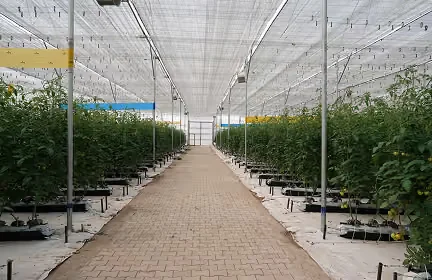
Environmental sensors detect problems such as humidity spikes or temperature drift before crops are damaged. Early alerts let growers act quickly, whether that means opening vents, adjusting irrigation, or moving stock to a cooler area. Even a few hours of warning can save an entire batch. Monitoring pays for itself when a single saved batch covers the cost of the equipment.
Data from sensors also builds a record that helps growers understand patterns over time. They can see which zones run warmer, which storage rooms need better airflow, and which practices lead to the fewest losses. Armed with this knowledge, farms can make targeted improvements instead of guessing where the problems might be.
Better forecasting matches supply with demand.
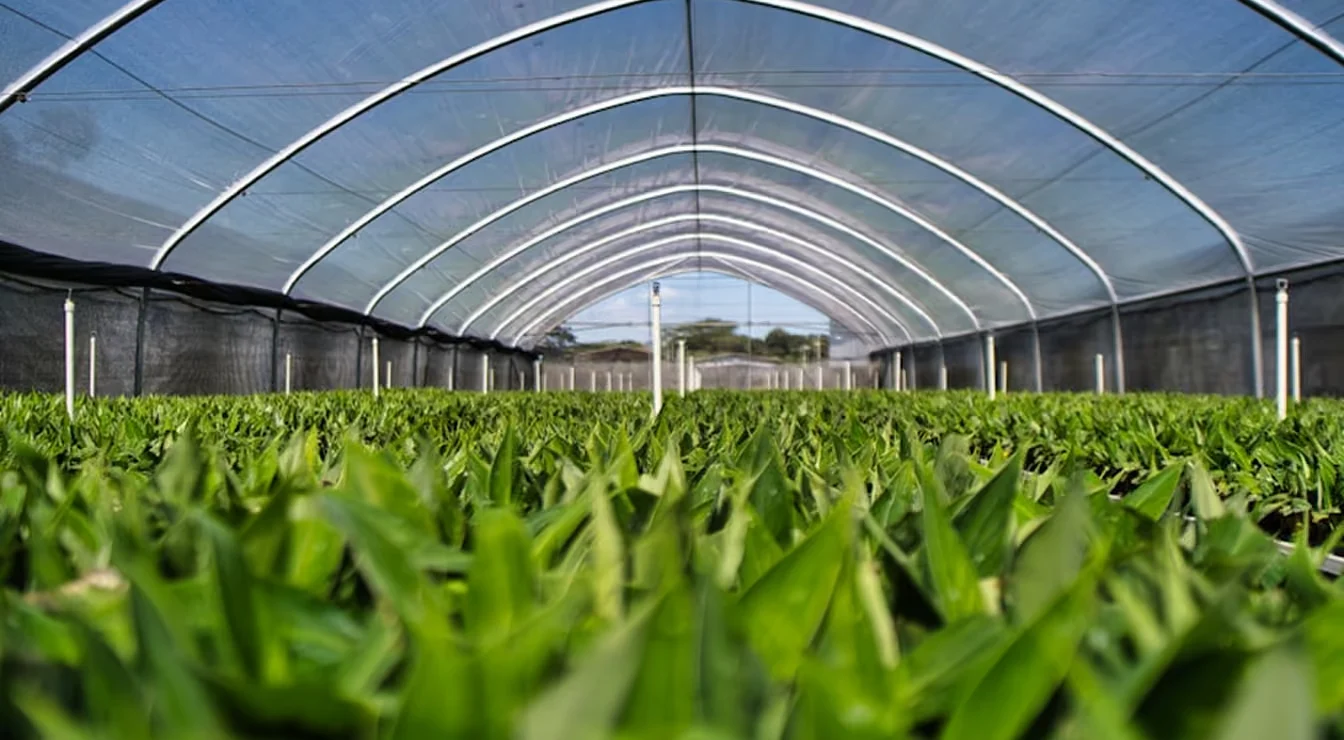
Yield forecasting and order-planning tools help growers harvest what buyers actually need. Instead of picking everything at once and hoping to sell it, farms can schedule harvests to match confirmed orders. This reduces surplus and the last-minute discounting that often follows. Better forecasting is one of the simplest ways to make sure hard work in the field ends up on the shelf.
Forecasts based on weather, crop growth, and past sales also help farms plan labor and transport more efficiently. When supply and demand are better aligned, fewer products are left unsold. Retailers benefit as well, because they receive fresher goods and can plan promotions with more confidence. Everyone in the chain gains when guesswork is replaced by good information.
Keeping produce fresh after harvest.
Rapid cooling, controlled storage, and real-time tracking during transport all extend shelf life. Removing field heat within hours of harvest slows spoilage dramatically, and storage rooms that manage temperature, humidity, and gas levels can keep fruit and vegetables fresh for weeks longer. Growers who invest in this chain of care lose far less product between harvest and sale.
Tracking devices in trucks and pallets alert teams when conditions drift outside safe limits, so problems can be fixed before goods are ruined. Together, these tools help more of each harvest reach customers in good condition. They also reduce the environmental cost of growing food that is never eaten. Even small improvements in handling can add up to large savings across a season.