Sustainable practices
Success stories: How a greenhouse scaled up and boosted profits
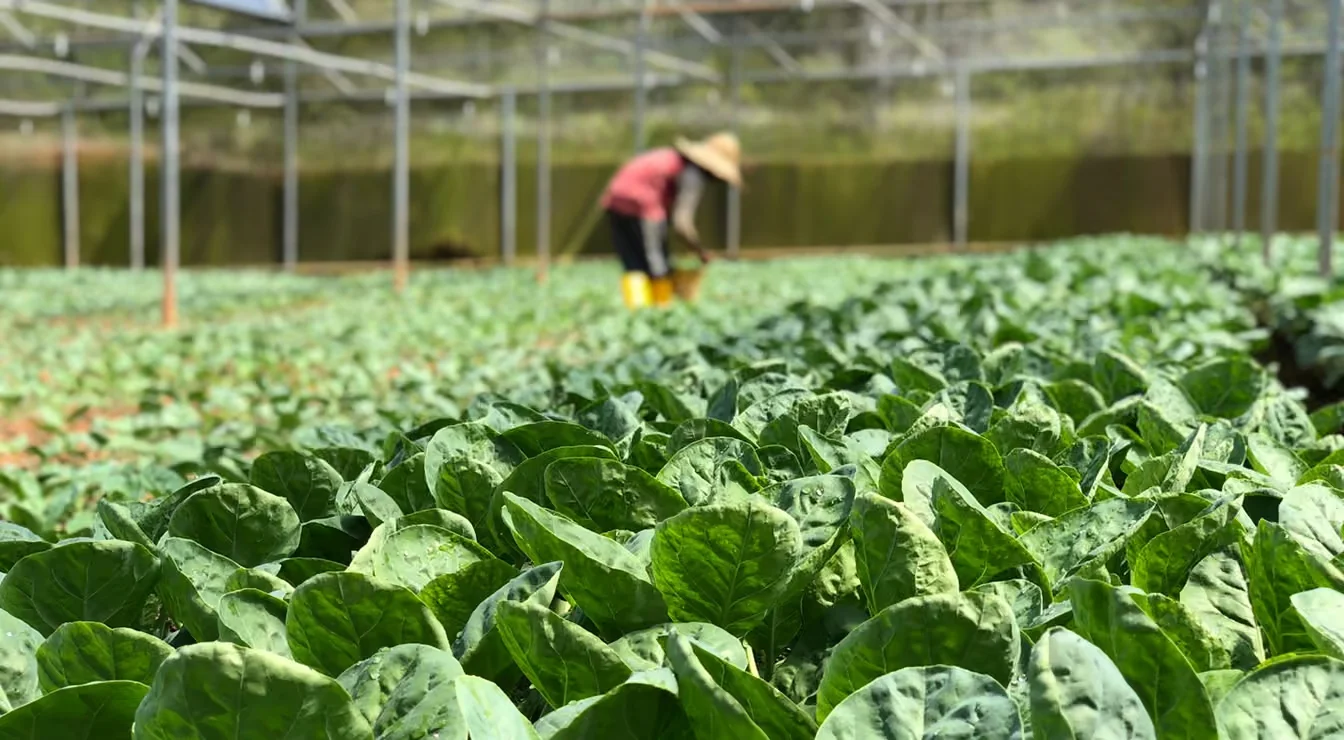
How a commercial grower turned a pilot greenhouse into a profit engine
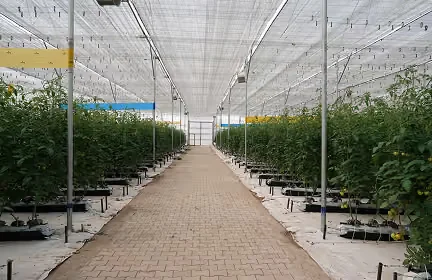
A regional vegetable grower began with a small pilot greenhouse to test whether controlled-environment growing could beat open-field returns. The team tracked every input and output, from seed cost and labor hours to yield per square meter and price per box. Within one season, the pilot outperformed nearby fields on both yield and quality.
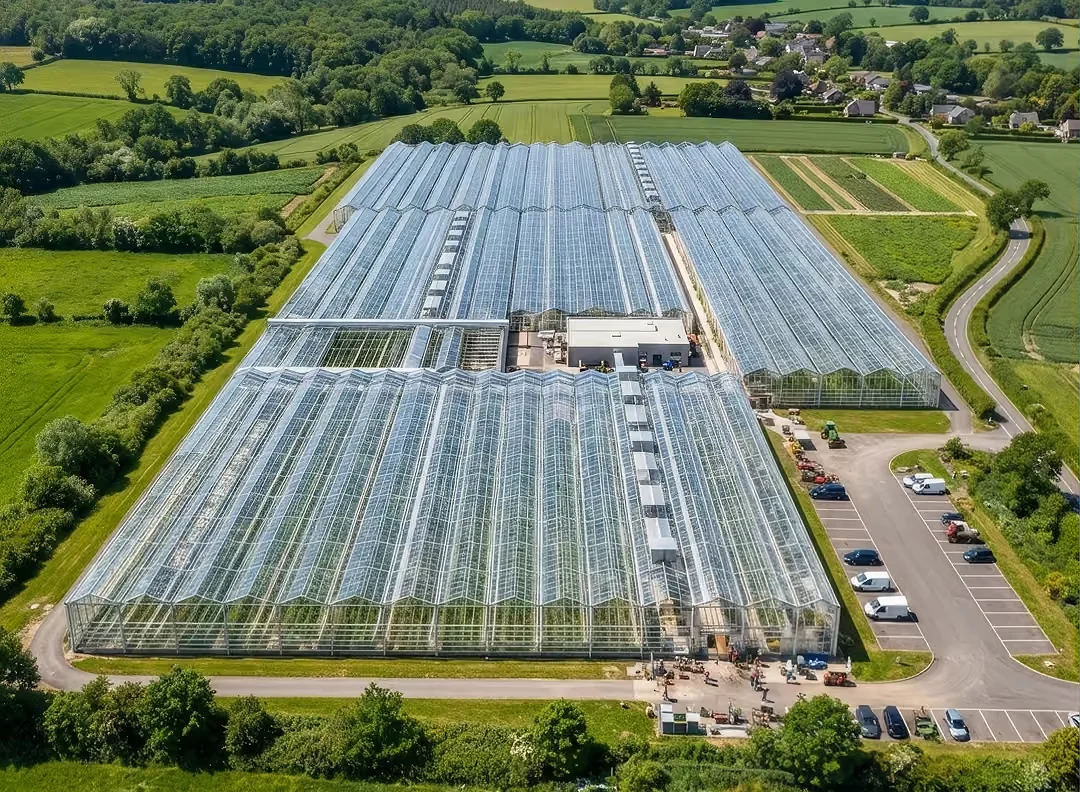
The results convinced the team to scale. By standardizing crop recipes and automating climate and feeding schedules, they expanded production while keeping labor costs almost flat. New greenhouse bays were built in phases, with each phase copying the proven setup of the last so that quality stayed consistent as volume grew. The approach turned a risky experiment into a repeatable growth plan.
Data turned guesswork into repeatable results.
Sensors logged temperature, light, and nutrient levels around the clock, building a detailed record of every crop cycle. Reviewing that data each week helped the team spot small problems before they became expensive ones. A slow drift in nutrient concentration, for example, was caught and corrected before it affected a single harvest.
Over time the team learned which settings produced the best flavor, size, and shelf life for each crop. Those settings became written recipes that any trained employee could follow. New hires reached full productivity faster, and the number of rejected batches fell sharply because everyone worked from the same proven playbook. Data, in short, replaced guesswork with confidence. It also made planning far easier.
Selling more, wasting less.
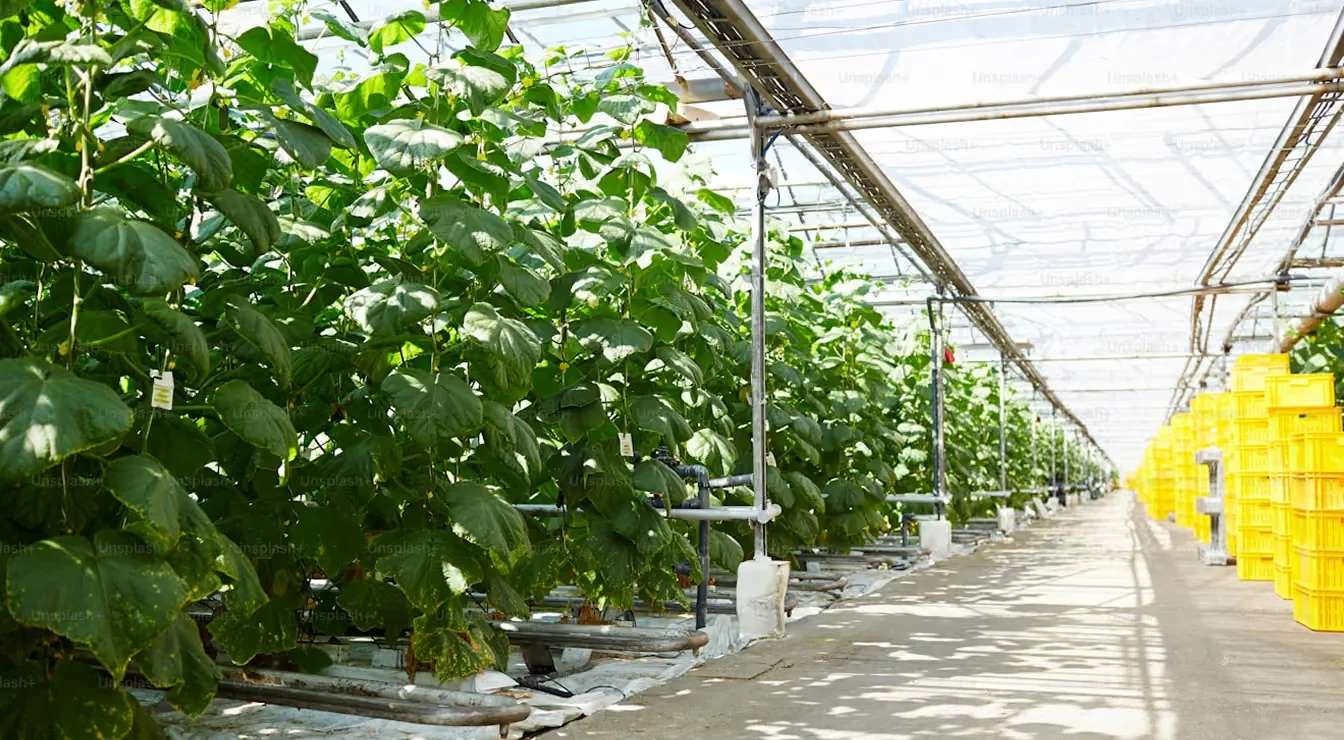
Longer shelf life and steadier supply let the grower sign direct contracts with retailers and reduce reliance on unpredictable spot markets. Produce that arrived fresh and on schedule earned a reputation for reliability. Store buyers began to request the grower’s products by name, which strengthened the negotiating position at every renewal.
Less waste on the packing line improved margins without raising prices. Uniform size and quality meant fewer items were culled, and better cooling kept product fresh through transport. Surplus that once went to discount channels or compost was reduced, and the savings went straight to the bottom line. The grower now measures waste as closely as it measures sales. Every percentage point saved mattered.
What made the difference.
Clear goals were the first ingredient. The team defined what success looked like before building anything, including target yields, acceptable costs, and a timeline for each phase. Having those numbers written down made it easy to judge whether each decision was moving the business in the right direction.
A phased expansion plan and disciplined record keeping were the other common threads. Growers who follow the same approach can scale with confidence and protect their profits along the way. Start small, measure carefully, and let the evidence guide each investment. When the data is strong, lenders, partners, and customers will be far more willing to support your next step. Patience and precision beat speed every time.