Case studies
How Scaling Up Greenhouse Operations Boosted Total Profits

From a single greenhouse to a thriving family operation
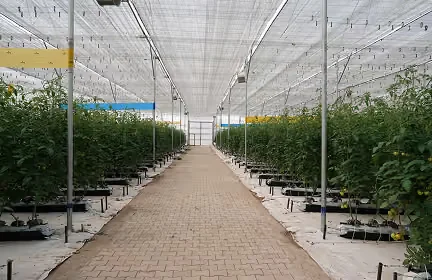
Every large grower started with a single structure and a plan. In this story, a family-owned farm added its first climate-controlled greenhouse and used the longer growing season to move from seasonal stall sales to year-round contracts with local grocers and restaurants. The early results were modest, but they proved that consistent quality was possible in every season.
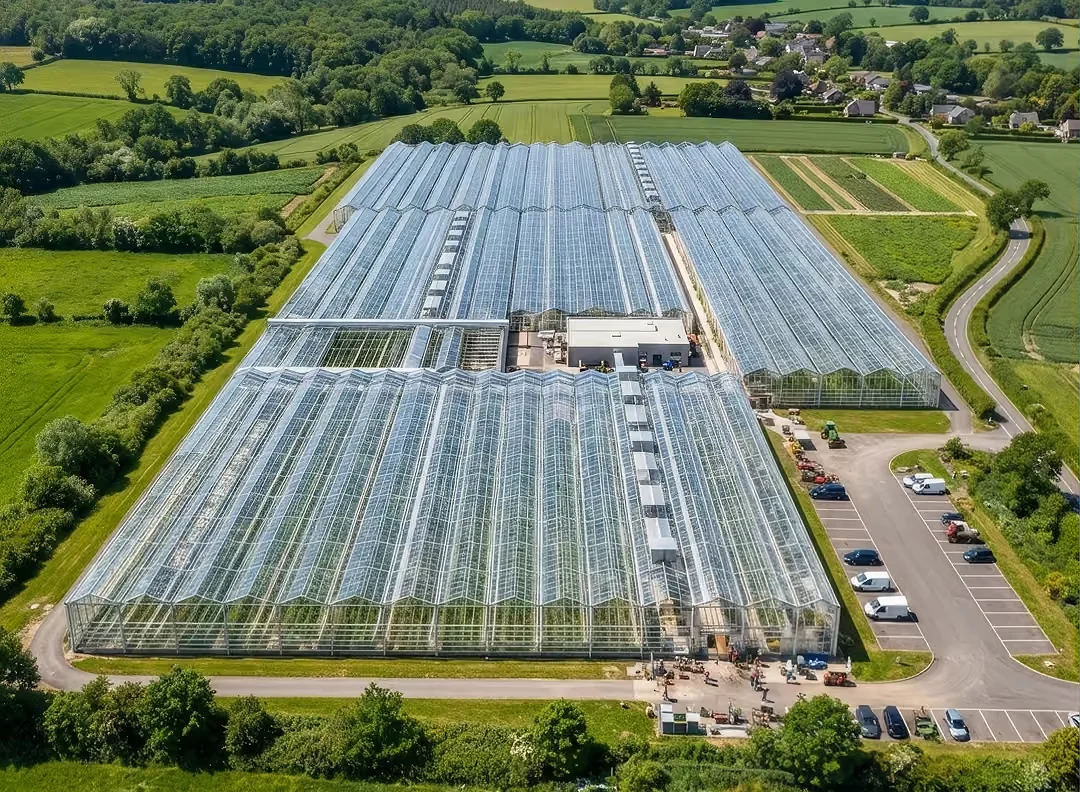
Steady production gave the family the confidence to invest again. Within three years they doubled their growing area, hired a small crew, and saw profit margins climb as crop losses from bad weather fell sharply. Today the farm supplies more than a dozen regular customers and is planning a third greenhouse. Their story shows how one well-run greenhouse can change what a small farm is able to achieve.
Consistency is what buyers pay for.
Retail partners want the same quality every week, not just during the best weeks of the season. With controlled temperature, humidity, and irrigation, the farm delivered uniform produce in every season. Buyers noticed the difference quickly and began to ask for larger orders. Reliable quality also reduced returns and complaints, which saved time on every delivery.
That reliability opened the door to longer supply agreements and better pricing. Instead of negotiating every delivery, the family could plan planting schedules months ahead and match production to confirmed demand. Predictable orders also made it easier to schedule labor, order supplies in bulk, and avoid the waste that comes from guessing. Over time, this planning discipline became as valuable as the greenhouse itself.
Reinvest early, and let the greenhouse pay for the next one.
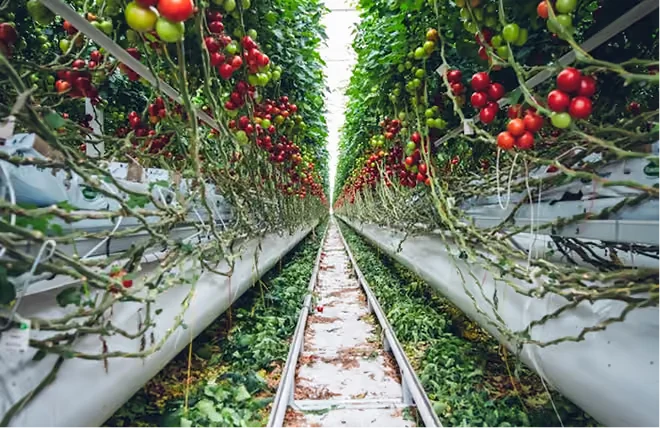
The family put the first two years of extra profit straight back into the business. Their first purchase was automated irrigation, which replaced hours of daily hand watering with a precise, scheduled system. Next came better monitoring equipment that tracked temperature, humidity, and soil moisture in every growing zone.
Those upgrades cut labor hours per harvest and made the next expansion far easier to fund. Lenders also responded well to clear records showing rising yields and steady sales. By treating each improvement as an investment with a measurable return, the family avoided costly mistakes and kept their debt low while the farm continued to grow. That patient approach is a model any small grower can follow.
Lessons for growers planning to scale up.
Start with one well-managed structure and track yield, costs, and sales for a full season before making any big decisions. Good records show which crops earn the most per square meter and which ones are not worth the effort. They also give you evidence to share with banks, suppliers, and potential partners.
Expand only when the numbers are clear and your team is confident running the current space. Growers who plan their water, energy, and labor needs in advance scale up with far fewer surprises. Finally, stay close to your customers, because their feedback will tell you what to grow next and how much of it they are ready to buy.