Urban farming
How cities are adapting to food production in limited spaces

How cities are growing more food in limited spaces
As urban populations grow, cities are finding new places to grow fresh food. Rooftops, vacant lots, shipping containers, and even empty indoor buildings are being turned into productive farms. These projects bring food production closer to the people who eat it and reduce the distance produce has to travel. The idea is no longer a novelty, because thousands of urban farms now operate around the world.
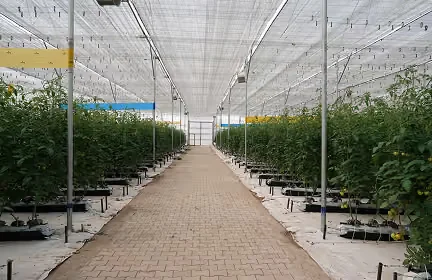
Compact greenhouse and vertical farming systems allow cities to produce leafy greens and herbs close to consumers. Shorter supply chains mean fresher products, lower transport emissions, and quicker response to local demand. Many city governments are now encouraging these projects because they support jobs, education, and community health. Urban farming will not replace rural agriculture, but it can play a valuable supporting role in feeding growing cities.
Rooftop greenhouses and community farms.
Rooftop greenhouses make use of unused space and can reduce a building’s heating and cooling costs. The plants add insulation, and waste heat from the building below can sometimes warm the greenhouse in winter. Restaurants and grocery stores are among the most enthusiastic partners for these projects.
Community farms bring neighbors together and improve access to fresh produce, especially in areas with few grocery stores. They also offer a place to learn about growing food, from school groups to retirees. Although land can be difficult to secure, many cities now offer leases or grants that make these projects easier to start. Whether on a roof or in a vacant lot, small projects can have a big impact on the surrounding neighborhood.
Vertical farming and hydroponics.
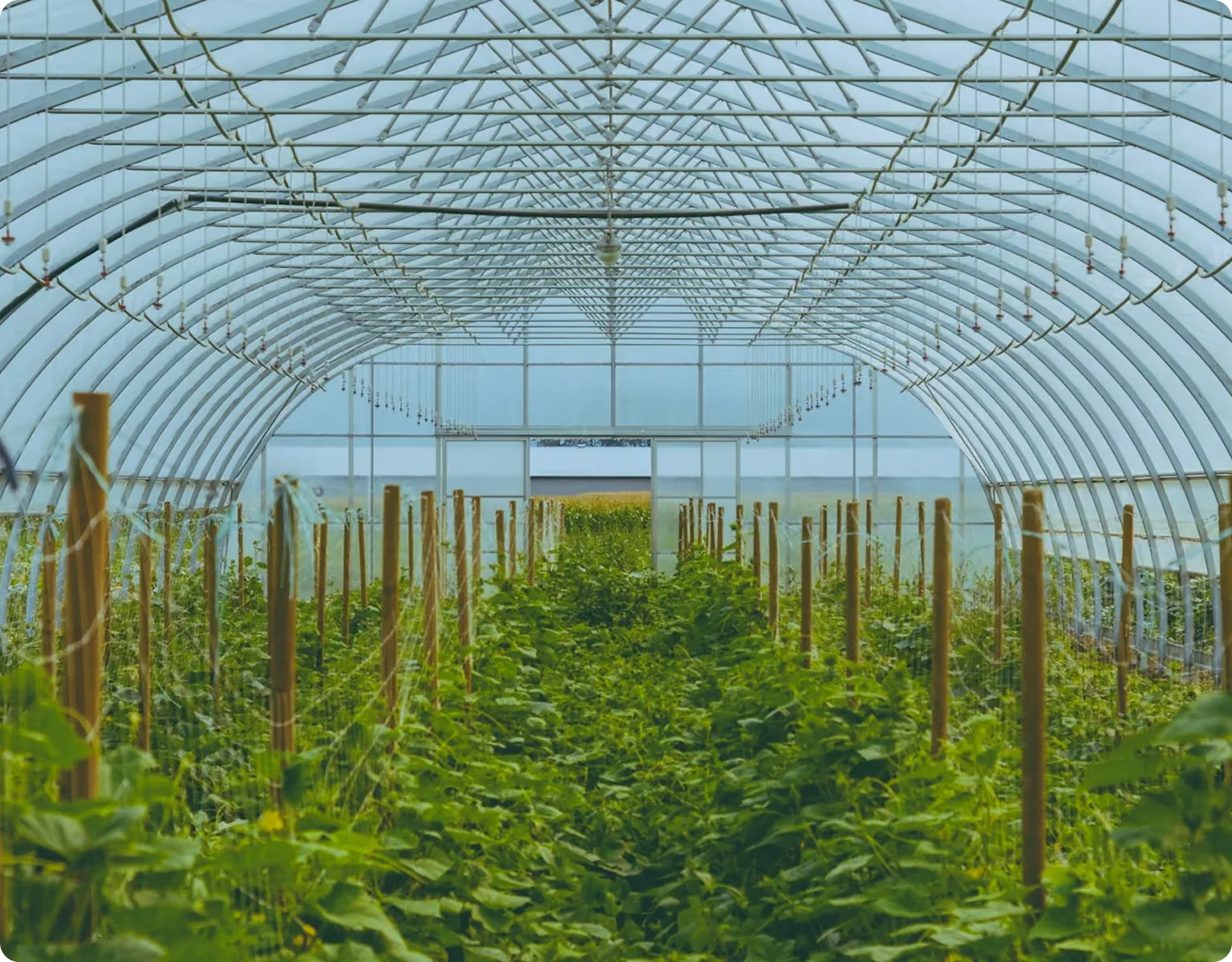
Stacked growing layers and soil-free systems multiply yield per square meter. A vertical farm can produce many times more lettuce than a field of the same footprint, and it can operate all year regardless of the weather. Because water is recirculated, these farms use far less than traditional field production.
The trade-off is energy use, since LED lighting and climate control require electricity. Many operators are reducing this cost through efficient fixtures, renewable power, and smart controls. Crops with high value and short shelf life, such as herbs and salad greens, currently offer the best returns for vertical growers. For cities with limited land, these methods offer a practical way to grow more food with fewer resources.
Challenges and opportunities.
High startup costs, energy use, and zoning rules can slow progress. Buildings may need structural upgrades, and local regulations do not always anticipate farms in urban settings. Growers should talk to city officials early to understand what permits and inspections will be required. Success depends on careful planning, strong partnerships, and realistic expectations about costs and timelines.
Cities that offer supportive policies and partnerships can help urban farms grow and thrive. Tax incentives, shared infrastructure, and training programs make a real difference for small operators. With the right support, urban agriculture can become a lasting part of the food system and a source of local jobs and pride. Every successful project also inspires others to try.