Waste reduction
Innovative approaches in minimizing industrial waste.

Cutting industrial waste in agriculture and food production
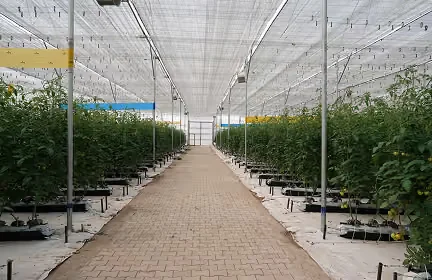
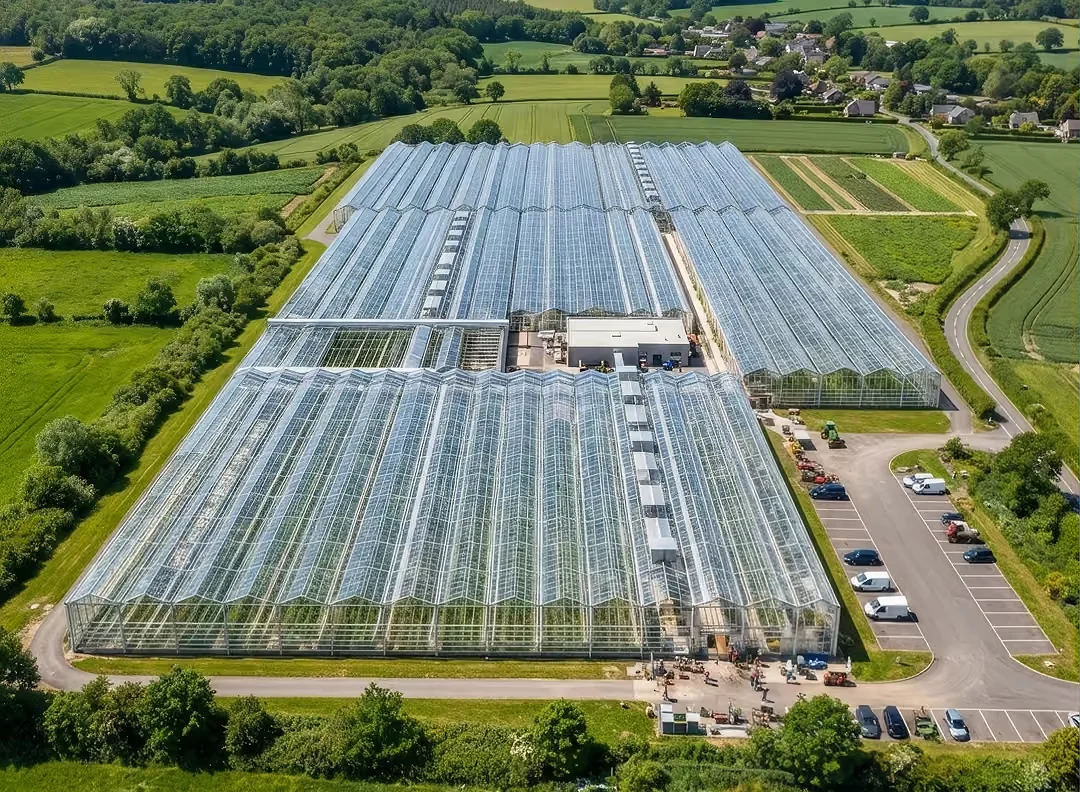
Processing plants, packing houses, and greenhouse operations all generate waste, from plant trimmings and spoiled produce to packaging and wastewater. Reducing it saves money and protects the environment at the same time. Many businesses are surprised by how much value is hidden in what they currently throw away.
The most effective programs begin by measuring where waste is created and how much of it there is. Once the biggest sources are clear, targeted changes can deliver quick wins. Simple steps such as adjusting order quantities, improving storage conditions, and training staff can reduce losses noticeably within a few months. This article looks at practical ways to cut waste at every stage, from harvest to delivery.
Turn by-products into resources.
Plant trimmings and food scraps can become compost, animal feed, or biomass fuel instead of going to landfill. Some greenhouse operations now return this material to their own soil or heating systems, closing the loop on site. Doing so cuts disposal fees and reduces the need to buy fertilizer or fuel.
Partnerships with neighboring businesses can help too. A local farm may gladly collect trimmings for compost, while a food processor may supply heat or nutrients that would otherwise be wasted. Looking for these connections takes some effort, but they often turn a cost into a small source of income. Turning by-products into resources is good for the budget, the community, and the planet.
Reuse water and materials.
Capturing and treating wastewater allows it to be reused for irrigation, cleaning, and cooling. Modern filtration and UV treatment systems can remove contaminants safely, and many pay for themselves quickly where water is expensive or restricted. Rainwater harvesting adds another low-cost source. In dry regions, these measures can also protect the farm from restrictions during drought.
Reusable crates and right-sized packaging further reduce the amount of material sent to landfill. Pallet wrap, plastic liners, and cardboard can often be replaced with durable alternatives that last for years. Every item that is reused instead of discarded lowers costs and shrinks the environmental footprint of the whole operation. Small changes in how water and materials are handled can quickly add up to significant savings.
Build waste reduction into daily routines.
Set clear targets, such as reducing packaging waste by ten percent this year, and share them with your team. People are far more likely to help when they understand the goal and can see progress. Assign someone to track results so that the numbers do not get forgotten.
Train employees to spot waste and invite them to suggest improvements, because the people doing the work often see opportunities that managers miss. Review results monthly and celebrate wins. Small, consistent improvements add up to major savings over time and help build a culture where waste is treated as a problem to solve. When everyone on the team is involved, waste reduction becomes simply the way work is done.