Food security
Strategies for ensuring a stable food supply in a changing world

Strategies for ensuring a stable food supply in a changing world
Weather extremes, supply chain disruptions, and rising demand all put pressure on food systems. When a single crop, region, or transport route fails, prices can jump and shelves can empty quickly. Building a resilient supply requires action at every step from farm to table.
Diversifying where and how food is grown is one of the most effective ways to reduce risk. Strong local production, flexible supply chains, and sensible storage can all help communities weather shocks. The strategies below offer practical starting points for growers, retailers, and policymakers who want a more dependable food system. No single action will guarantee food security, but together they can make a real difference.
Diversify production methods.
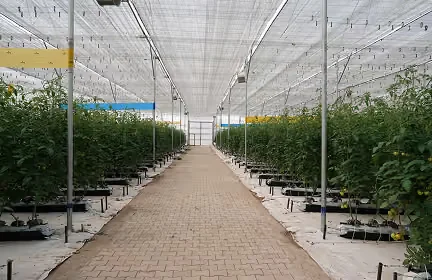
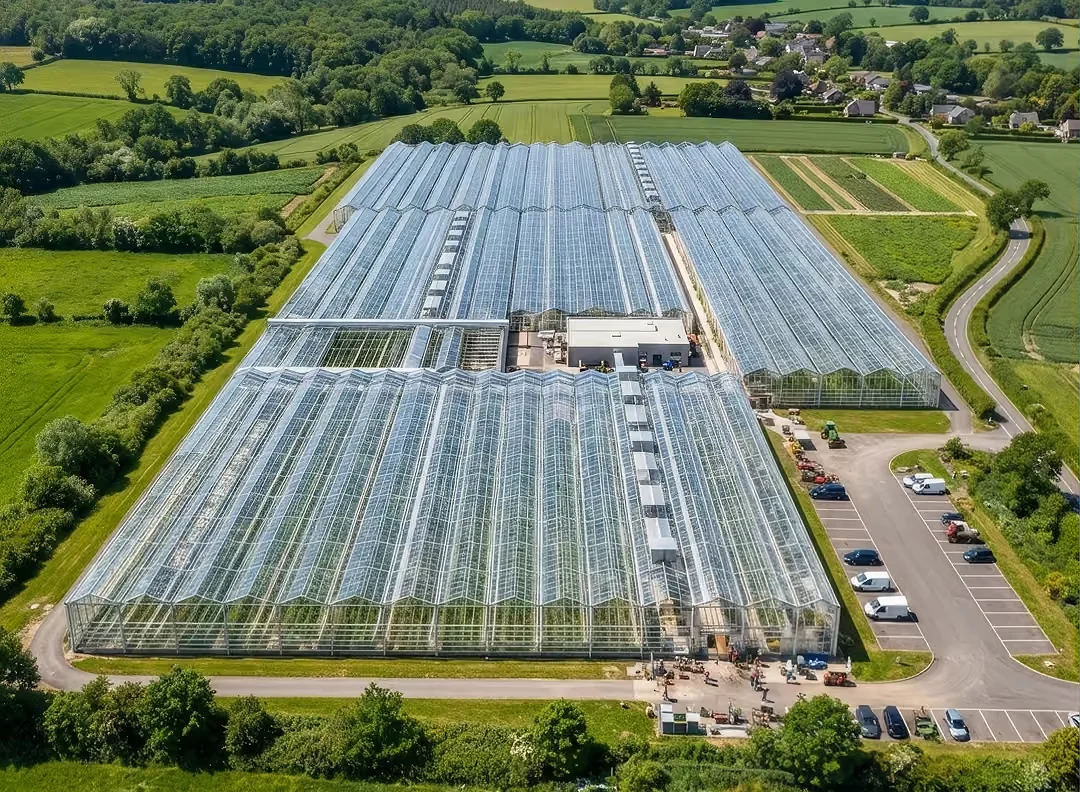
Combining open-field farming with greenhouses and other controlled environments spreads risk across systems. When one method is hit by bad weather, the others can keep supply steady. Controlled environments are especially valuable for crops that are sensitive to heat, frost, or heavy rain.
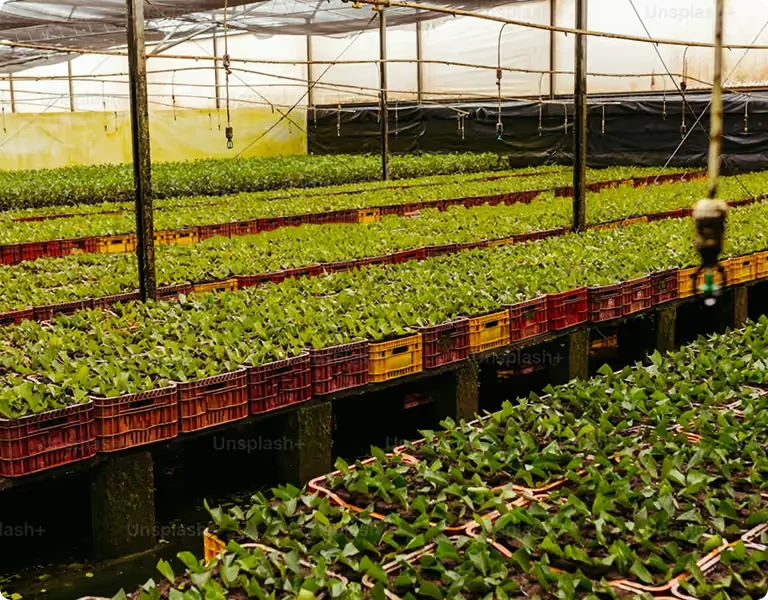
Growing a wider variety of crops also helps. If a pest or disease affects one species, other crops can fill the gap. Farms that mix production methods and crops often enjoy steadier income and can offer buyers more reliable supply throughout the year, even when conditions are difficult. Diversity gives farms room to adapt, and it gives customers more confidence that food will be available.
Strengthen local and regional supply chains.
Shorter supply chains are less exposed to distant disruptions and deliver fresher food. When farms sell to nearby markets, stores, and schools, communities depend less on long-distance shipping. Local relationships also make it easier to adjust quickly when problems arise. During recent disruptions, communities with strong local suppliers were often the first to recover.
Regional storage and distribution hubs help keep products moving when conditions change. Shared cold storage, packing facilities, and delivery services allow smaller farms to reach more customers without heavy investment. Governments and industry groups can support these efforts through funding, training, and clear planning that connects growers with buyers. Stronger local networks also keep more money in the community and build trust between growers and buyers.
Invest in efficiency and storage.
Reducing losses through better handling, cold storage, and planning is often cheaper than growing more. Every kilogram of food that is saved after harvest is a kilogram that does not need extra land, water, or energy. Simple improvements, such as faster cooling, can pay off quickly.
Efficient use of water and energy also makes production more dependable over the long term. Farms with reliable irrigation, backup power, and well-maintained equipment can keep operating when conditions turn difficult. Investing in these basics builds resilience and protects both farm income and the food that communities rely on. Resilience is built long before a crisis arrives, so steady investment in the basics is always worthwhile.