Case studies
Trends in organic product demand and their effect on farming practices
Trends in organic product demand and their effect on farming practices
Consumers are choosing organic products in growing numbers, driven by interest in health, sustainability, and food transparency. Sales have risen steadily in many markets, and organic items now appear in almost every supermarket. This demand is influencing how farms plan and grow their crops. For growers, the shift represents both an opportunity and a challenge.
Many growers are converting land, adding protected growing space, or dedicating part of their production to certified organic lines. Others are experimenting with organic methods on a small scale before making a bigger commitment. Understanding what drives demand helps farms make informed choices about where to invest. The sections below explain what is behind this trend and how farms can respond to it.
What is driving organic demand?
Shoppers cite concerns about pesticide residues, environmental impact, and animal welfare. Many also believe that organic food tastes better or is healthier, although the evidence on nutrition is mixed. Whatever the reason, these beliefs strongly shape buying decisions. Younger shoppers in particular tend to value environmental claims and clear labeling. Their preferences are likely to shape the market for years to come.
Availability in mainstream supermarkets has also made organic products easier to buy. Store brands and lower prices have brought new customers into the market. Online delivery services and farmers’ markets add more ways to reach shoppers, giving organic growers a wider range of sales channels than ever before. Understanding these motivations helps growers communicate clearly with customers and choose the right markets.
How farms are responding.
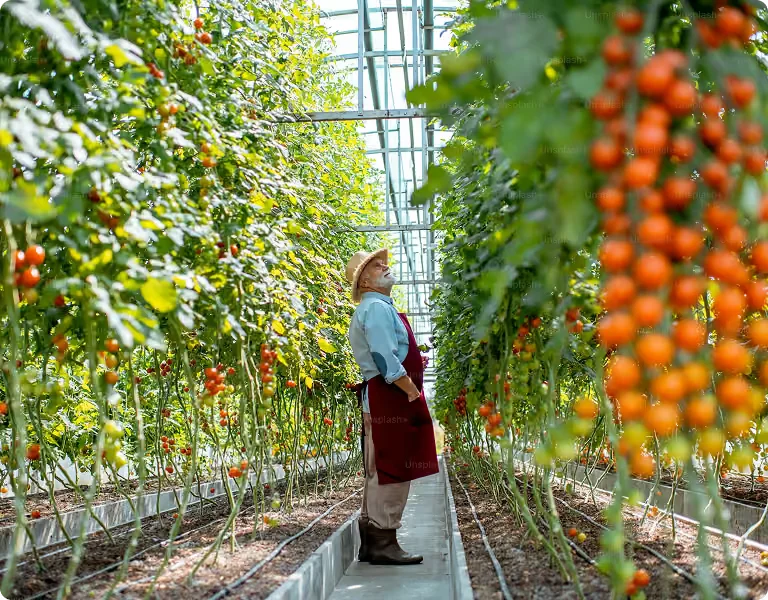
Growers are adopting crop rotation, biological pest control, and compost-based fertility to meet organic standards. These practices build healthy soil and reduce dependence on purchased inputs over time. They also require careful planning and a good understanding of how each crop fits into the wider system.
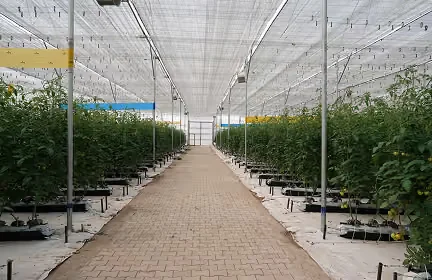
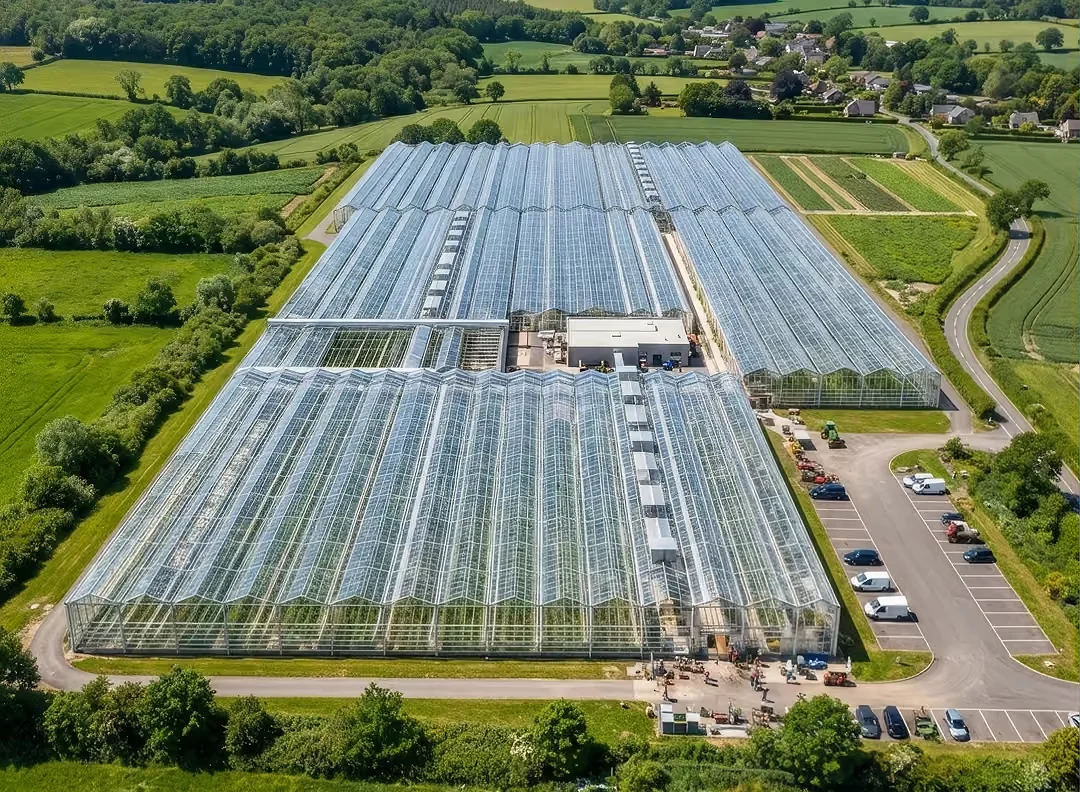
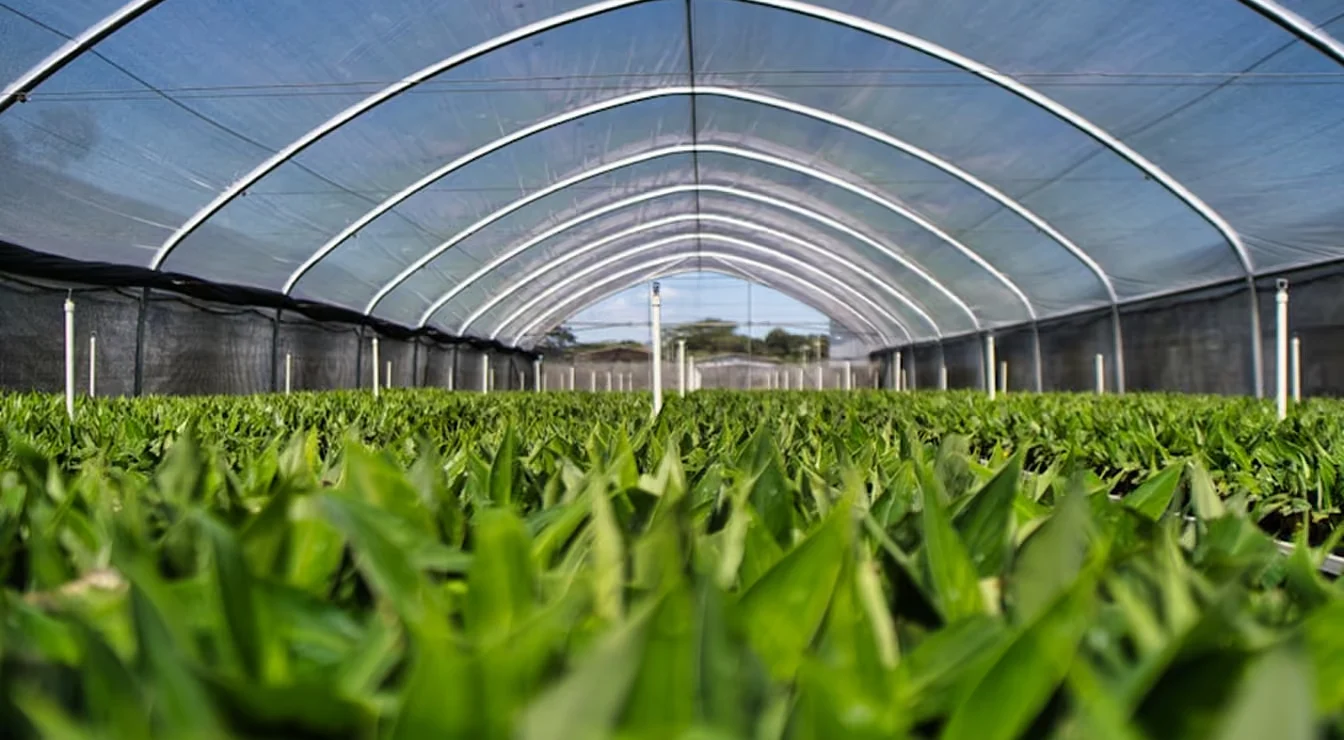
Greenhouses help by providing protection from pests and weather, which is especially valuable in organic systems. Controlled conditions reduce the need for emergency treatments and allow growers to deliver steady supply. Many organic producers now combine greenhouse and field production to balance risk and meet year-round demand. Combining traditional organic methods with modern greenhouse tools gives farms more control over quality and supply.
What growers should consider.
Certification takes time and record keeping, and yields can differ from conventional systems during the transition. Most programs require several years without prohibited inputs before a crop can be sold as organic. Growers should plan their finances carefully for this period, because costs often rise before premium prices arrive.
Growers who plan carefully and understand their market can capture premium prices for organic products. Talk to buyers before you convert, learn the standards that apply in your region, and seek advice from certified producers. With patience and good preparation, organic production can become a rewarding part of a farm business. It will not suit every farm, but for the right grower and market it can be an excellent opportunity.